
For many Pittsburgh homeowners, building a patio feels like a straightforward outdoor upgrade. You choose the materials, decide on the layout, and picture how the finished space will look once it is ready for grilling, relaxing, or entertaining.
Then a practical question arises: Do you need a permit?
The answer depends on the project’s details. A simple ground-level patio may not require the same approvals as a raised patio, a covered structure, a retaining wall, or a project that changes the property’s drainage. In Pittsburgh and surrounding municipalities, permit requirements can also vary based on where you live, the size of the project, zoning rules, and whether your neighborhood has additional HOA guidelines.
Before work begins, it is worth understanding what may trigger a permit and why the process matters.
When Are Permits Required for a Patio?
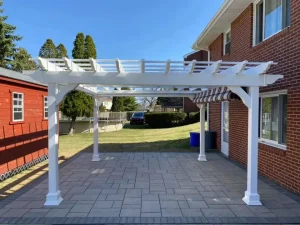
Not every patio project is treated the same way. A small paver or concrete patio installed at grade may have fewer requirements than a project that includes structural features, elevation changes, or stormwater considerations. However, homeowners should avoid assuming that “simple” automatically means “no permit.”
In the City of Pittsburgh, certain residential exterior projects may require review through the city’s permit process. Pittsburgh uses its Building and Development Application process for work that may involve building review, zoning review, or both. The city also notes that property owners should contact Permits, Licenses, and Inspections if they are unsure whether a project falls under an exempt category.
That is especially important for patios, since the patio itself may be only one part of the overall project. The permit question often depends on what else is being built around it.
Size Thresholds and Project Scope
Size can affect whether a patio project needs zoning review, stormwater review, or another type of approval. A larger patio may increase the property’s impervious surface area, potentially affecting drainage and zoning compliance.
Even when a basic patio does not require a building permit, it may still need zoning approval depending on the municipality, lot coverage, setbacks, and property conditions. Across Pennsylvania municipalities, at-grade patios are often treated differently from raised structures, but zoning and stormwater rules may still apply.
This is why it is important to look at the full project, not just the patio surface. A small backyard sitting area is different from a large hardscape installation with steps, walls, lighting, a roof, or changes to the grade.
Structural Elements Can Change the Requirements
A patio with structural features is more likely to require permits or professional documentation. Common examples include:
- Retaining walls
- Roofs or covered patio structures
- Raised platforms
- Deck-like patio areas
- Stairs, railings, or elevated edges
- Built-in masonry features that affect structure or grading
For comparison, Pittsburgh’s deck guidance states that an uncovered deck no more than 30 inches above grade may not require a building permit, but zoning approval is still required. Decks outside that category require building and occupancy permits.
Retaining walls are another common patio-related feature that may trigger additional review. In many jurisdictions, walls over a certain height may require a permit and engineered plans. Because retaining walls hold back soil and can affect neighboring properties, they are treated differently from decorative landscape borders.
If your patio design includes a wall, roof, raised section, or significant support feature, it is best to confirm requirements before construction begins.
Drainage Changes Matter
Drainage is one of the biggest reasons patio projects need careful planning. A new patio can change how water moves across the yard, especially on sloped Pittsburgh properties. If water is redirected toward a foundation, driveway, neighboring yard, or public right-of-way, the project can create problems long after installation.
Some patio projects may involve grading, drainage systems, or land disturbance. Pittsburgh’s terrain can make this especially important because many properties sit on slopes or have tight lot conditions. Projects that affect grading or drainage may require additional review depending on the scope and location.
A well-planned patio should do more than look good. It should move water responsibly, protect the home, and work with the existing landscape.
Local Pittsburgh and Municipality Considerations
Homeowners often say “Pittsburgh” when they may actually live in a nearby borough, township, or municipality. That distinction matters.
Allegheny County states that property owners, representatives, or contractors must file necessary permits with the municipality where the work is being performed. In other words, requirements can vary depending on whether the home is in the City of Pittsburgh, Mt. Lebanon, Bethel Park, Ross Township, Monroeville, or another surrounding community.
Municipalities may have different rules for setbacks, lot coverage, stormwater management, retaining walls, inspections, and application fees. Some may require zoning approval even when no building permit is needed. Others may have stricter requirements if the property is on a corner lot, near an easement, in a steep-slope area, or within a regulated zoning district.
This is one reason homeowners benefit from working with a contractor who understands local permitting requirements rather than relying on general advice.
HOA Rules and Zoning Factors
Permits are not the only approval to consider. If your home is part of a homeowners association, the HOA may have its own rules for patio size, placement, materials, colors, privacy walls, lighting, and drainage.
HOA approval is separate from municipal approval. Getting permission from an HOA does not automatically mean the project meets local code, and receiving a municipal permit does not necessarily mean the HOA will approve the design.
Zoning factors can also affect patio planning. These may include:
- Property line setbacks
- Easements
- Maximum lot coverage
- Stormwater requirements
- Steep slope rules
- Historic district considerations
- Location of utilities
- Restrictions on accessory structures
Before installing a patio, it is smart to review both municipal requirements and any neighborhood rules that apply to the property.
What Happens If You Skip a Required Permit?
Skipping permits can create problems that are more expensive and stressful than the permit process itself.
One possible issue is fines or enforcement action. If a municipality determines that work was completed without the required approval, the homeowner may be asked to stop work, apply for permits after the fact, schedule inspections, modify the project, or, in some cases, remove noncompliant work.
Unpermitted work can also become a problem when selling the home. Buyers, real estate agents, inspectors, and lenders may ask whether improvements were permitted and completed properly. If there is no documentation, it can delay the sale or raise concerns about safety, drainage, and code compliance.
There is also the practical issue of quality. Permit review is not just paperwork. For projects involving walls, structures, drainage, or grading, the process helps confirm that the work is being planned with safety and long-term performance in mind.
How Contractors Handle Patio Permits
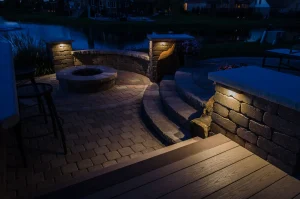
An experienced patio contractor can help make the process more manageable. Depending on the project and municipality, a contractor may assist with:
- Identifying whether permits or zoning approvals are needed
- Preparing site plans or project details
- Coordinating with the local building or zoning office
- Submitting required documents
- Scheduling inspections
- Adjusting the design to meet local requirements
- Communicating what approvals are needed before work begins
This does not mean every patio will require a complicated permit process. Many projects are straightforward. However, having a contractor review the requirements early can help prevent delays, redesigns, or compliance issues later.
Let Patioscape Manage Permits and Compliance
If you are planning a patio in Pittsburgh or a surrounding community, you should not have to sort through permit requirements on your own. The right planning can help your project move forward with fewer surprises and more confidence.
Patioscape can help evaluate your patio design, review local requirements, and manage permit and compliance details when applicable. From simple backyard patios to projects involving retaining walls, drainage, steps, or structural features, our team can help you understand what is needed before installation begins.
Ready to start planning your patio? Contact Patioscape to discuss your project and make sure your outdoor space is designed with both beauty and compliance in mind.
