
How Long Do Paver Patios Last?
A paver patio is an investment in your home and your outdoor lifestyle, so longevity should be part of the conversation from the start. With the right materials, proper base preparation, good drainage, and routine maintenance, a professionally installed paver patio can last 25 to 30 years or more. In many cases, individual pavers can last even longer, but the overall lifespan of the patio depends on how well the full system performs over time.
For homeowners in the Pittsburgh area, where outdoor surfaces are exposed to rain, snow, ice, and freeze-thaw cycles, proper installation is especially important. A patio is not just the pavers you see on the surface. It is also the compacted base, bedding layer, edge restraints, joints, drainage plan, and long-term maintenance that help it stay stable year after year.
Average Lifespan of a Paver Patio
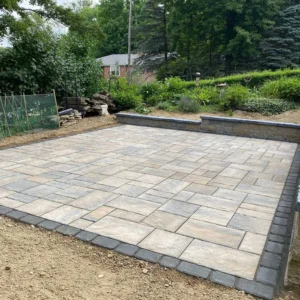
A well-built paver patio typically lasts 25 to 30 years or longer. Some patios may need repairs or restoration sooner, especially if they were installed over a weak base, have poor drainage, or receive little maintenance. Others can remain functional and attractive for several decades with only occasional repairs.
The benefit of pavers is that they are modular. Unlike one large concrete slab, a paver patio is made from individual units. If a section settles, stains, or becomes damaged, specific pavers can often be lifted, the base corrected, and the same pavers reinstalled. This makes repairs more targeted and less disruptive than replacing a cracked concrete slab.
Concrete pavers are commonly described as lasting 25 to 50 years when properly installed and maintained, whereas conventional pavement design life is typically 20 to 25 years.
What Impacts the Lifespan of a Paver Patio?
Not all paver patios age the same way. Two patios may look similar when first installed, but after several winters, heavy rains, and years of use, the differences in installation quality become easier to see. The following factors have the biggest impact on how long a patio lasts.
Installation Quality and Base Preparation
The base is one of the most important parts of a paver patio. A patio can only remain level and stable if the material beneath it is properly excavated, compacted, and built to withstand the site’s conditions.
Poor base preparation can lead to sinking, shifting, uneven pavers, standing water, and edge movement. In Western Pennsylvania, where soil conditions and freeze-thaw cycles can be challenging, a patio needs a base that supports drainage and limits movement.
Professional base preparation typically includes removing unsuitable soil, adding the proper depth of compacted aggregate, creating a stable bedding layer, and installing edge restraints to hold the patio in place. The exact approach depends on the property, slope, soil conditions, patio size, and intended use.
When the base is done correctly, the patio has a much better chance of lasting decades. When the base is rushed or too shallow, surface problems may show up within only a few seasons.
Climate and Freeze-Thaw Cycles
Professional patio builders must build Pittsburgh-area patios for changing weather. Water can enter small spaces in and around hardscape materials. When temperatures drop below freezing, that water expands. As temperatures rise, it contracts. This repeated freezing and thawing can contribute to movement, cracking, heaving, and surface wear over time.
Pavers are often a strong choice for freeze-thaw climates because they are designed with joints between individual units. This allows some flexibility compared to a single poured concrete slab. However, that does not mean pavers are immune to winter damage. If water collects under the patio or the base is not built properly, freeze-thaw movement can still cause uneven areas.
This is why proper grading, drainage, joint material, and base construction all matter. In a climate like ours, the patio needs to be managed to prevent water problems.
Drainage
Poor drainage can cause puddling, erosion, base washout, sinking, and winter heaving. Over time, these issues can shorten the patio’s lifespan and pose safety concerns.
A properly designed patio should be pitched to direct water where it belongs. Depending on the yard, drainage solutions may include French drains, dry wells, channel drains, swales, or other systems to manage water movement. The right solution depends on the property and the way water already moves through the landscape.
Material Quality
The quality of the pavers themselves also matters. Not all products are made to the same standards, and lower-quality materials may show wear sooner, fade unevenly, or be more prone to surface deterioration.
Premium paver brands such as Techo-Bloc and Unilock are often selected for their wide range of styles, colors, textures, and durable products. Choosing a reputable paver manufacturer can help improve both the appearance and long-term performance of the patio.
Material quality should also match the intended use. A small seating area, a large entertainment patio, a walkway, and a driveway do not all experience the same level of load and wear. Selecting the right paver for the application helps the patio perform as expected.
Paver Patio vs. Concrete Patio Lifespan
Paver patios and concrete patios can both last for many years when installed correctly, but they age differently.
A poured concrete patio is one continuous slab. It can be durable, but it is more likely to show visible cracking over time, especially in climates with freeze-thaw cycles. Control joints can help manage cracking, but they do not eliminate it. If a concrete slab settles or cracks badly, repair options may be more noticeable, and full replacement may eventually be needed.
A paver patio is built from individual units. Because the joints allow some movement, pavers can often handle minor shifts better than a rigid slab. If repairs are needed, individual pavers or sections can usually be lifted and reset.
That does not mean pavers require no maintenance. Joint sand may need attention; weeds can appear in joints; and settling can occur if the base or drainage fails. However, pavers are often easier to repair in sections, which can help extend the patio’s useful life.
Maintenance Tips to Extend the Life of a Paver Patio
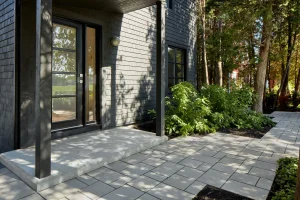
A paver patio does not need constant upkeep, but routine maintenance can help protect its appearance and performance. A little attention each year can prevent small issues from becoming larger repairs.
Keep the Surface Clean
Regular cleaning helps prevent dirt, leaves, moss, and organic debris from building up on the surface or in the joints. Sweeping the patio and rinsing it as needed can help maintain its appearance.
For deeper cleaning, use care with pressure washing. Too much pressure can remove joint sand or damage the surface of some pavers. If the patio needs a thorough cleaning, it may be worth having a professional assess the right method.
Maintain the Joint Sand
The sand between pavers helps lock the system together and reduce movement. Over time, joint sand can wash out due to rain, cleaning, foot traffic, or normal wear.
If joints look low or empty, they may need to be refilled. Polymeric sand is often used because it hardens after activation, helping reduce weed growth and washout. Proper installation is important, since excess material left on the surface can cause hazing or residue.
Consider Sealing
Sealing can help protect pavers from stains, fading, moisture, and general wear. It can also enhance color, depending on the type of sealer used.
Not every patio needs to be sealed immediately, and not every homeowner wants the same finish. Some sealers create a natural look, while others provide a richer or slightly glossy appearance. The timing and type of sealer should depend on the paver material, patio condition, and homeowner preference.
Many paver surfaces benefit from resealing every few years, but the exact schedule depends on use, weather exposure, product type, and manufacturer recommendations.
Watch for Drainage Issues
After heavy rain, pay attention to how water moves across the patio. Occasional wet areas after a storm may not be a problem, but standing water, pooling near the home, or washout around the edges should be addressed.
Drainage problems rarely improve on their own. If water is collecting in the same area repeatedly, it may indicate that the patio pitch, base, or the surrounding landscape needs attention.
Remove Weeds Early
Weeds can grow in paver joints when dirt and organic matter collect between the stones. Removing weeds early helps keep the joints cleaner and reduces the chance of roots disturbing the joint material.
Keeping the patio swept, maintaining joint sand, and addressing drainage can all help reduce weed growth.
Signs Your Paver Patio Needs Repair or Replacement
The Patioscape team can repair many paver patio issues if they are caught early. In some cases, a patio may only need a section lifted and reset. In others, larger problems with the base or drainage may require more extensive work.
- Uneven or sunken areas
- Pavers that rock or shift underfoot
- Widening gaps between pavers
- Joint sand washing out repeatedly
- Standing water after rain
- Edges spreading or separating
- Cracked, chipped, or severely stained pavers
- Weeds or moss returning soon after cleaning
- Water is draining toward the home
If the patio is newer and already showing major settlement, the issue may be related to base preparation or drainage. If the patio is decades old, repairs may be part of normal wear and tear. A professional inspection can help determine whether targeted repairs are enough or whether replacement would be the better long-term option.
When Is Replacement Better Than Repair?
Repair is often possible with pavers, but replacement may make more sense if the patio has widespread settlement, poor drainage throughout the entire space, outdated materials, or a failing base. A replacement may also be the better choice if the patio no longer fits how you use your outdoor area.
For example, a small older patio may not provide enough space for outdoor dining, a fire pit, seating walls, or an outdoor kitchen. In that case, upgrading the patio can improve both function and appearance.
A professional can evaluate the existing patio, identify the cause of any problems, and explain whether repair, restoration, or full replacement is the most practical option.
Build Your Patio for Long-Term Use
So, how long do paver patios last? With quality materials, proper installation, good drainage, and routine care, a paver patio can last 25 to 30 years or more. The pavers themselves are only part of the equation. The base, drainage plan, installation process, and maintenance all work together to determine how well the patio performs over time.
If your current patio is uneven, holding water, or showing signs of wear, a professional inspection can help you understand your options. If you are planning a new outdoor living space, working with an experienced hardscape contractor can help ensure your patio is built with long-term performance in mind.
