
Choosing a patio material in Pittsburgh is about more than color, texture, or style. The material also needs to handle moisture, winter weather, drainage, and repeated temperature changes. In a freeze-thaw climate, a patio has to hold up through cold nights, warmer afternoons, rain, snow, ice, and seasonal ground movement.
When the wrong material is used or when the right material is installed over a poor base, homeowners may see cracking, shifting, surface flaking, low spots, or drainage issues over time. That does not mean patios are a problem in cold climates. It means the material, installation method, and base preparation all need to work together.
For Pittsburgh homeowners, choosing a patio material with freeze-thaw performance in mind can help protect the appearance and function of the outdoor space.
What Is Freeze-Thaw Damage?
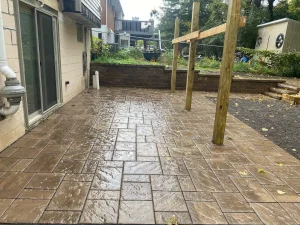
Freeze-thaw damage happens when water enters small pores, joints, cracks, or gaps in a patio material or base. When that water freezes, it expands. When temperatures rise again, the ice melts, and more water may enter the same spaces.
One freeze-thaw cycle may not create visible damage. The concern is repetition. In areas where temperatures often move above and below freezing, repeated expansion and contraction can weaken materials and disturb the base beneath the patio.
Common signs of freeze-thaw stress include cracked slabs, flaking surfaces, loose pavers, uneven areas, widening joints, and low spots where water collects. Staining can also happen when moisture is trapped or when drainage is poor.
The material matters, but freeze-thaw performance is not only about the surface. A durable paver can still settle or shift if the base was not prepared correctly. A strong patio system depends on water management from top to bottom.
Concrete Pavers: A Practical Choice for Durability
Concrete pavers are one of the most practical choices for Pittsburgh patios because they are installed as individual units rather than as a continuous slab. This gives the patio surface some flexibility as the ground expands, contracts, and settles through seasonal changes.
Unlike poured concrete, which can crack in larger sections when stressed, individual pavers can move slightly within the system. If one paver becomes stained or damaged, it can often be removed and replaced without tearing out the entire patio.
High-quality concrete pavers are manufactured for strength, consistency, and outdoor performance. For freeze-thaw climates, homeowners should look for pavers designed with low water absorption and durability in mind. These qualities help reduce the risk of cracking, surface wear, and winter-related damage.
Concrete pavers also offer design flexibility. They come in many shapes, colors, textures, and laying patterns, making them suitable for traditional homes, modern patios, walkways, pool decks, outdoor kitchens, and connected outdoor living areas.
However, not all concrete pavers are the same. Lower-quality products may be more porous or less consistent. For a patio that needs to withstand Pittsburgh winters, the product should be carefully selected and installed as part of a complete system.
Concrete pavers are especially effective when paired with:
- A properly compacted aggregate base
- Correct edge restraints
- Appropriate bedding material
- Joint sand or polymeric sand suited to the project
- Proper slope for drainage
- Professional installation practices
A well-built paver patio is not just a surface. It is a layered system designed to manage load, movement, and moisture.
Natural Stone: Pros and Cons
Natural stone can be a beautiful patio material, and many homeowners like it because each piece has its own texture, color variation, and character. It can work well outdoors, but it should be carefully selected in freeze-thaw climates.
The biggest factor is porosity. Some natural stones absorb more water than others. If a stone takes in too much moisture, it may be more vulnerable to cracking, flaking, or surface breakdown when that moisture freezes.
Dense stones generally perform better in cold climates than softer or more porous stones. Granite, certain bluestone products, and select dense flagstone options may be suitable when sourced and installed correctly. More porous stones, or stones that naturally split into thin layers, may require more caution.
Natural stone also has more variation than manufactured pavers. That variation can be part of its appeal, but it can make installation more complex. Thickness, shape, texture, and density may differ from piece to piece. A skilled installer needs to account for those differences to create a stable, even surface.
Natural stone can be a good choice for homeowners who want a more organic look that blends with older homes, wooded properties, gardens, and natural landscapes. However, it usually requires more careful selection, installation, and maintenance. It can also be harder to repair if matching replacement pieces are not available later.
For freeze-thaw climates, the key is not simply choosing stone. The key is choosing the right stone for the climate and using an installation method that supports drainage and stability.
Porcelain Pavers
Porcelain pavers are another option for outdoor patios, especially for homeowners who want a clean, modern look with low surface maintenance. Outdoor porcelain pavers are dense and hard, and many have very low water absorption. That low absorption can be helpful in freeze-thaw conditions because there is less opportunity for water to enter the material.
Porcelain can also offer strong stain resistance and a consistent appearance. It is available in styles that mimic natural stone, wood, concrete, and other finishes. For homeowners who want a sleek patio design, porcelain can be an appealing choice.
That said, porcelain pavers have different installation needs than concrete pavers or natural stone. They are thinner and harder, which can make cutting and handling more specialized. The base and setting method must match the product and its intended use.
Porcelain may not be the right fit for every patio, especially if the project involves complex grades, heavy loads, or certain edge conditions. Slip resistance should also be considered, particularly around pools, steps, and shaded areas where surfaces may stay damp longer.
Porcelain pavers can be a good fit for homeowners who want a modern appearance, low water absorption, stain resistance, a consistent manufactured finish, and a surface that is often low maintenance, as with any patio material, product selection and installation quality matter.
Materials to Avoid or Use With Caution
Some materials can work in mild climates but struggle in areas with freeze-thaw cycles. Others may be acceptable only when installed in specific ways. In Pittsburgh, it is worth being cautious with materials that absorb water easily, crack in large sections, or do not allow for movement.
Poured concrete is common, but it can be vulnerable to cracking in freeze-thaw climates. Control joints can help manage cracking, but they do not eliminate it. Once a slab cracks or settles, repairs may be visible and may not blend well with the original surface.
Soft or porous stone should also be chosen carefully. Some natural stones absorb moisture more readily, which can contribute to cracking, flaking, or surface separation in freezing conditions. Before choosing stone, ask about the stone type, density, absorption, thickness, and suitability for freeze-thaw climates.
Indoor tile should not be used as a patio surface. Tile used outdoors needs to be rated for exterior conditions, moisture exposure, and freeze-thaw performance. Even then, the setting bed, drainage, and substrate are critical.
Loose materials such as gravel, pea stone, or loosely placed stepping stones may work for informal garden paths, but they may not provide the stable surface needed for dining areas, grills, furniture, or outdoor living spaces. These materials can shift, spread, and become harder to maintain through seasonal changes.
Why Installation and Base Preparation Matter
The best patio material can fail if the base beneath it is not built correctly. In freeze-thaw climates, base preparation is one of the most important parts of the project.
A patio needs a stable foundation that supports the surface, manages water, and reduces movement. If water sits beneath the patio, freezes, and expands, it can push materials upward. When the ground thaws, the surface may settle unevenly.
A proper patio base often includes excavation, compaction, aggregate material, bedding material, edge restraints, and slope. The exact base design depends on the soil, drainage, patio size, material type, and intended use.
Drainage is especially important. Water should move away from the home and should not collect beneath the patio surface. Poor drainage can lead to heaving, settling, algae growth, joint issues, and premature wear.
A patio built for Pittsburgh conditions should consider compacted aggregate, proper pitch away from the home, drainage patterns, edge restraint, correct jointing material, product-specific installation guidelines, and long-term serviceability.
This is why professional installation matters. A patio is not only about the visible pavers or stones. Much of its performance comes from the work below the surface.
Brand Highlights: Unilock and Techo-Bloc
Unilock and Techo-Bloc are two well-known hardscape brands often considered for patios, walkways, retaining walls, and outdoor living projects. Both companies offer manufactured paver products in a variety of styles, textures, and formats.
For homeowners in freeze-thaw climates, the benefit of choosing established paver brands is consistency. Manufactured pavers are designed with outdoor performance in mind, and product lines often include technical information related to strength, use, and installation.
Unilock offers concrete pavers and wall products in traditional, modern, textured, and large-format options. Techo-Bloc also offers a broad selection of pavers, slabs, walls, steps, and outdoor living materials, including options with a more contemporary look.
The right brand often depends on the specific product, design goals, budget, color preference, and site conditions. Rather than choosing a brand name first, it is usually better to start with the patio’s needs, then select a product that meets them.
Long-Term Performance Comparison
Each patio material has its own strengths, maintenance needs, and long-term considerations. In a freeze-thaw climate like Pittsburgh, the best choice is usually the material that balances durability, drainage, repairability, and the look you want.
Concrete pavers are often one of the most practical choices for long-term performance. Because they are installed as individual units, they can better handle small amounts of movement than a single large poured slab. If a paver becomes stained, cracked, or damaged, it can often be replaced without removing the entire patio.
Natural stone can last a long time, but performance depends heavily on the type of stone. Dense stone is usually better suited for freeze-thaw climates than softer or more porous stone. It can create a natural look, but it may require more careful selection and maintenance.
Porcelain pavers can perform well when they are rated for outdoor use and installed correctly. Their low water absorption makes them appealing in freeze-thaw climates, and they offer a clean, consistent appearance. However, porcelain requires careful handling and installation.
Poured concrete can be budget-friendly, but it has limitations in cold climates. Large concrete slabs are more likely to show visible cracking over time, especially when exposed to moisture, temperature changes, and ground movement.
For many Pittsburgh homeowners, concrete pavers provide a strong balance of durability, repairability, and design flexibility. Natural stone may be the right choice for a more organic look, while porcelain can work well for a modern, low-maintenance patio.
Get Material Selection Guidance From Patioscape
A patio in Pittsburgh needs to be built with local conditions in mind. Freeze-thaw cycles, drainage, soil movement, and winter moisture all affect how a patio performs over time.
Patioscape Outdoor Living designs and builds outdoor spaces for homeowners in the Pittsburgh area, including paver patios, retaining walls, pergolas, outdoor kitchens, fire pits, and other hardscape features. Their team can help compare patio materials, explain the differences between concrete pavers, natural stone, and porcelain pavers, and recommend an installation approach based on your property.
If you are planning a new patio, the right material choice can help you create an outdoor space that looks good, functions well, and is built to withstand Pittsburgh weather. Contact Patioscape to discuss patio material options and get guidance for your outdoor living project.
